
Expert Tips for Healthier Plants
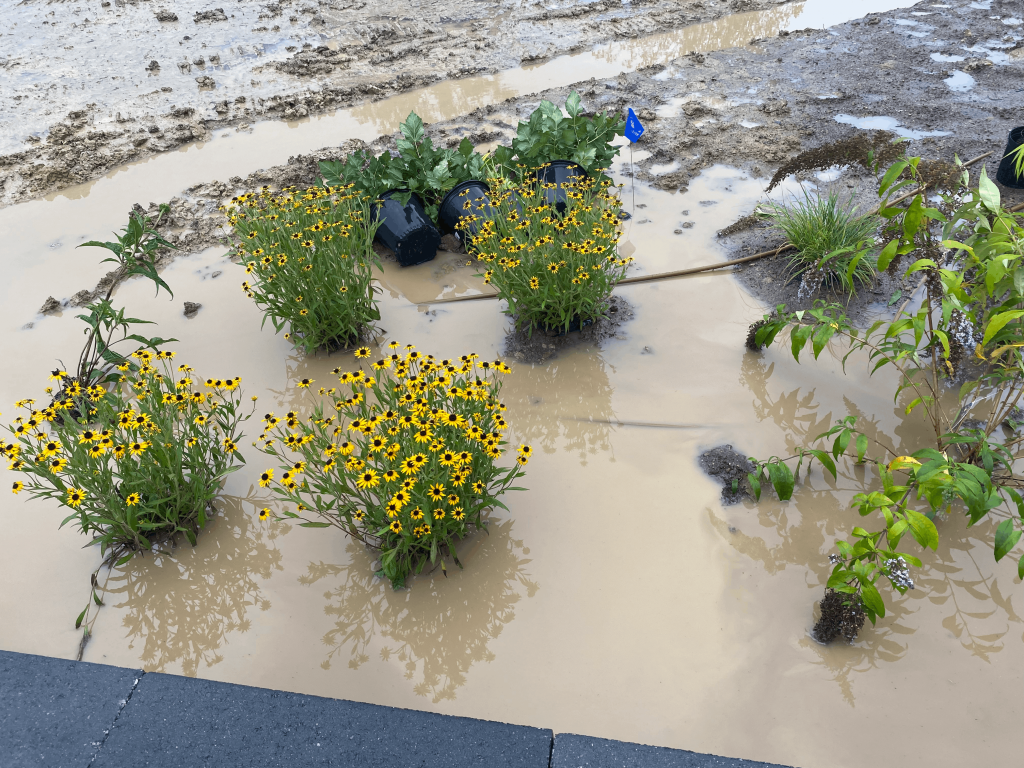
Healthy soil drainage is key to plant health. Well-drained soil has the right balance of air and water, allowing roots to access oxygen and nutrients. Poor drainage causes water to pool on the surface or become trapped in the soil, suffocating plant roots and creating a breeding ground for pathogens. Understanding how to improve drainage in clay soil, lawn, and garden areas is crucial to avoiding these issues.
Well-drained soil retains just the right amount of water for plants to access while also allowing excess water to flow away. Soil with good drainage has the following qualities:
Roots can easily penetrate and anchor.
Promotes root respiration and nutrient absorption.
Supports beneficial microorganisms like earthworms and bacteria that improve soil health.
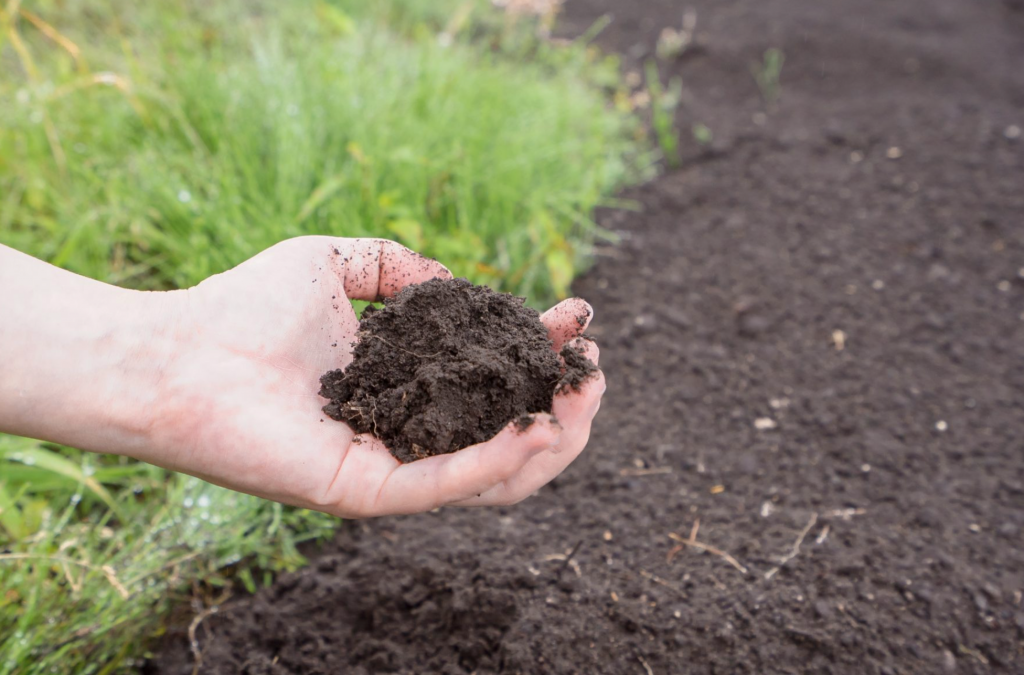
Incorporating organic materials like compost, manure, or leaf mold is one of the most effective ways to improve drainage. These materials break up compacted soil and create air pockets, allowing water to move more freely. Add 2-4 inches of organic matter into the top 6-12 inches of soil.
For smaller garden spaces or potted plants, mix in materials like perlite, pumice, vermiculite, or coarse sand. These amendments improve soil aeration and allow water to drain effectively.
Compacted soil, especially in high-traffic areas, inhibits water movement. Use a garden fork or aerator to poke holes in the soil, allowing water and air to penetrate the surface. Aeration is particularly effective in lawns and garden beds.
Building raised garden beds, 6-12 inches high, with a mix of topsoil and compost, can help lift plant roots above the compacted, poorly drained native soil. This technique also improves soil structure and drainage.
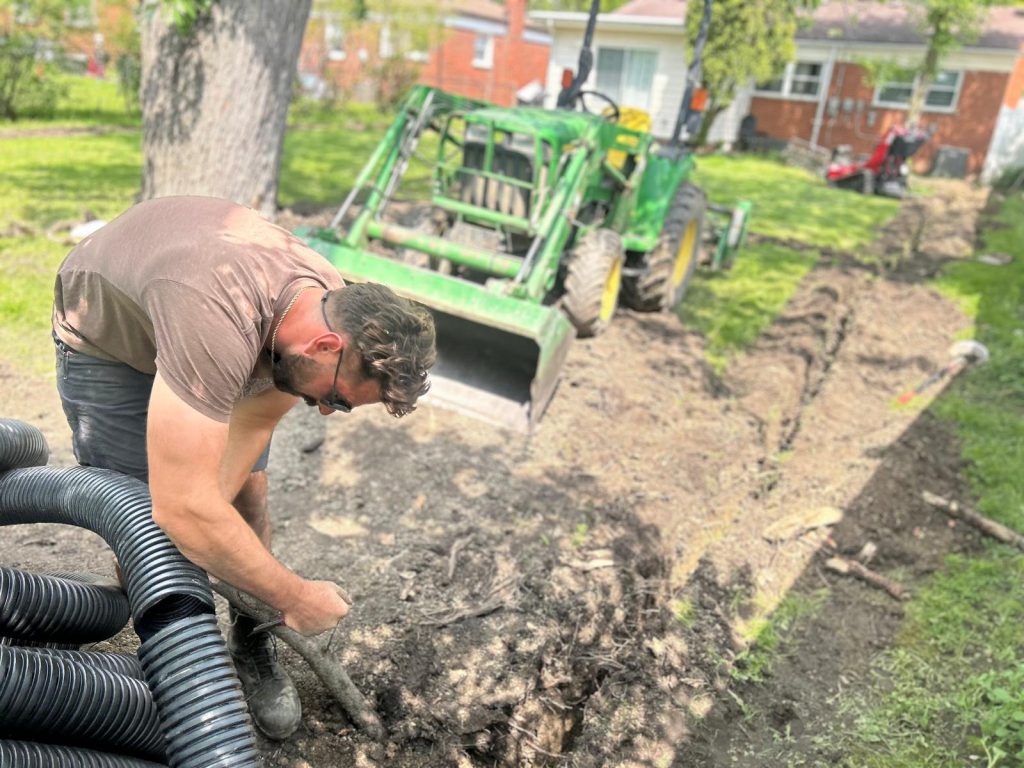
For severe drainage issues, French drains (perforated pipes buried in gravel) are a great solution. They help divert water away from your garden or lawn. Ensure that roof downspouts are directed away from the garden area to prevent water accumulation.
Proper soil drainage is essential for healthy plants, strong root development, and long-lasting landscapes. Poor drainage can lead to water logging, root rot, lawn damage, and uneven growth especially in areas with heavy clay or compacted soil. The right drainage solution depends on soil type and how the space is used, whether it’s a garden bed, lawn, or full landscape area. Below are soil-specific and area-based solutions to help improve drainage effectively and sustainably.
Clay soil holds moisture well but drains poorly, making it prone to water logging. Avoid adding sand, as it can create a cement-like mixture. Instead, continue adding organic matter like compost or well-rotted manure to improve structure and drainage. Gypsum can also be used to break up clay particles, but it should be used cautiously.
For garden areas with poor drainage, consider building French drains or installing an underground drainage system. These methods are effective at moving excess water out of the soil. Avoid planting in low-lying areas where water naturally collects. If necessary, install drainage pipes to carry water away from the planting area.
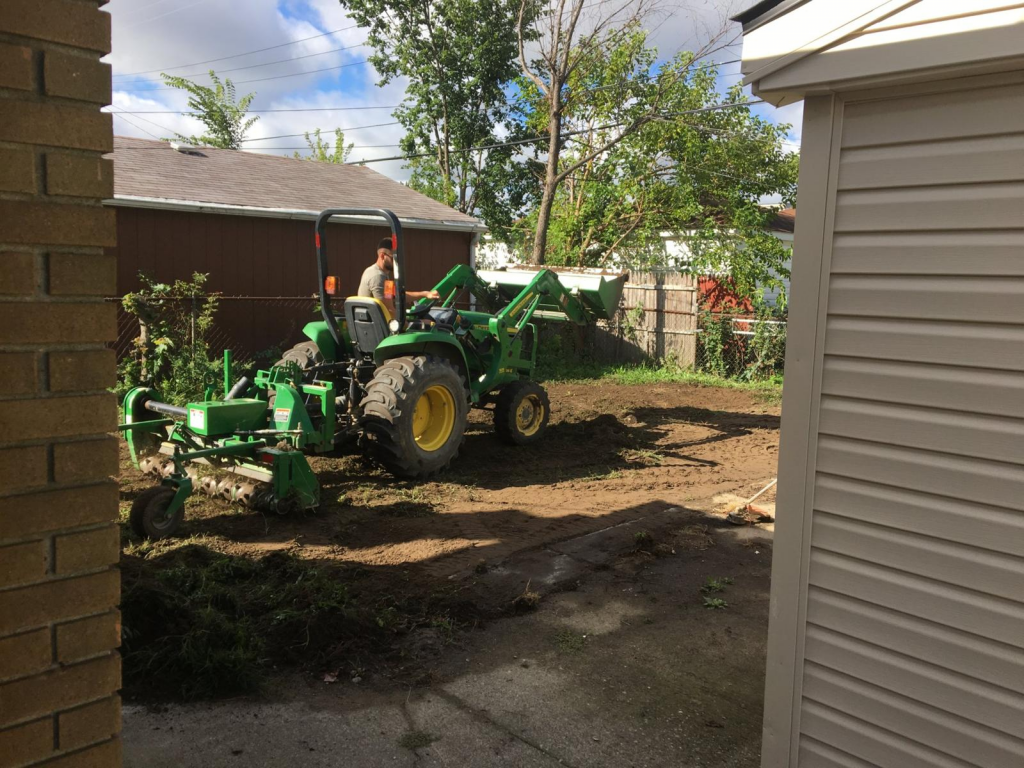
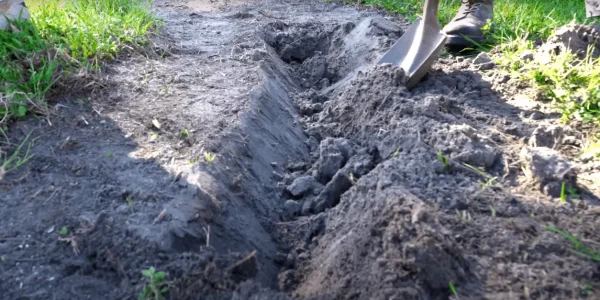
A French drain is a highly effective way to improve drainage in your yard. It involves digging a trench, filling it with gravel, and laying a perforated pipe to allow water to drain away from the area. This system is especially useful for lawns and gardens where standing water is an issue.
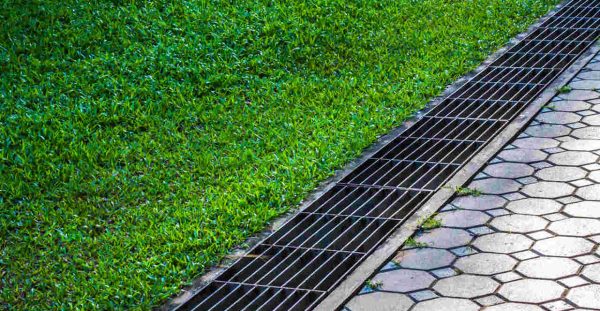
At Grow Grow Garden and Landscape Design, we take pride in offering top-quality landscaping and drainage services across Michigan and surrounding areas. While this blog provides expert advice on improving soil drainage, we always recommend consulting with a professional for personalized solutions tailored to your specific needs. For expert drainage services, feel free to contact us for a consultation.
Regularly amend your soil with organic matter, maintain proper irrigation practices, and avoid over-tilling. Long-term solutions like installing a drainage system or creating raised beds will ensure sustained improvements in drainage over time.
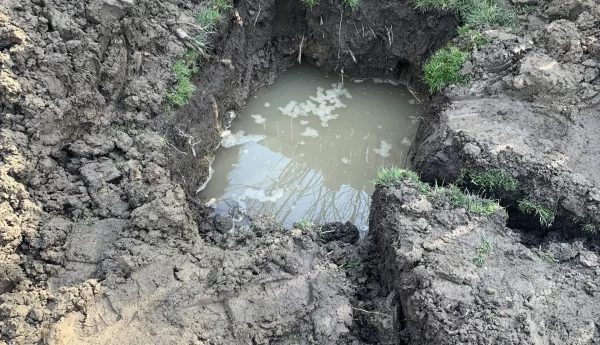
Waterlogged soil often occurs when there’s poor drainage. To fix this, incorporate organic matter into the soil and install proper drainage systems like French drains.
Heavy clay soils can lead to poor drainage. Organic amendments, gypsum, and aeration can alleviate these issues.
Compact soil hinders water and air penetration. Use aeration to reduce compaction and improve soil structure.
Not sure what’s causing drainage issues in your soil?
Every property has unique soil conditions. Get expert guidance to improve drainage, protect your landscape, and prevent future water issues.
Improving soil drainage is important for plant health, and it involves a combination of techniques like amending soil, reducing compaction, and installing proper drainage systems. Whether you’re working with clay soil or your garden suffers from waterlogging, following these tips will ensure that your plants thrive in well-drained soil. Keep in mind that improving drainage is a long-term investment in your garden’s health and your plants’ well-being. For professional drainage solutions, consider contacting a residential drainage contractor or a drainage company to install a French drain or other effective drainage systems.
Add organic matter like compost or manure, aerate compacted soil, and consider installing a French drain to divert excess water away from the garden.
A French drain is a perforated pipe buried in gravel that redirects water away from an area, improving drainage.
Add organic matter like compost or manure to break up the clay and improve its drainage. Avoid adding sand, as it can make the soil harder to manage.
Yes, you can improve drainage by using raised beds, adding organic matter, and aerating compacted soil.
Got a vision? Let’s bring it to life together!