
Soil and sod in Southeast Michigan – let’s dive in the its diversity. The soil type in Southeast Michigan can vary, but generally, it consists of a mixture of glacial till, sand, and clay. The glacial till was deposited by glaciers during the last ice age, while sand and clay deposits were formed by ancient seas and rivers. As for sod, there are various types of grass that can grow well in Southeast Michigan, including Kentucky Bluegrass, Perennial Ryegrass, and Fine Fescue.
When choosing a sod type, it’s important to consider factors such as climate, soil type, and intended use. It’s also essential to ensure proper soil preparation and maintenance to ensure healthy sod growth.
The best type of sod for Michigan depends on several factors such as climate, soil type, intended use, and personal preference. However, some of the most commonly used sod types in Michigan include Kentucky Bluegrass, Perennial Ryegrass, and Fine Fescue.
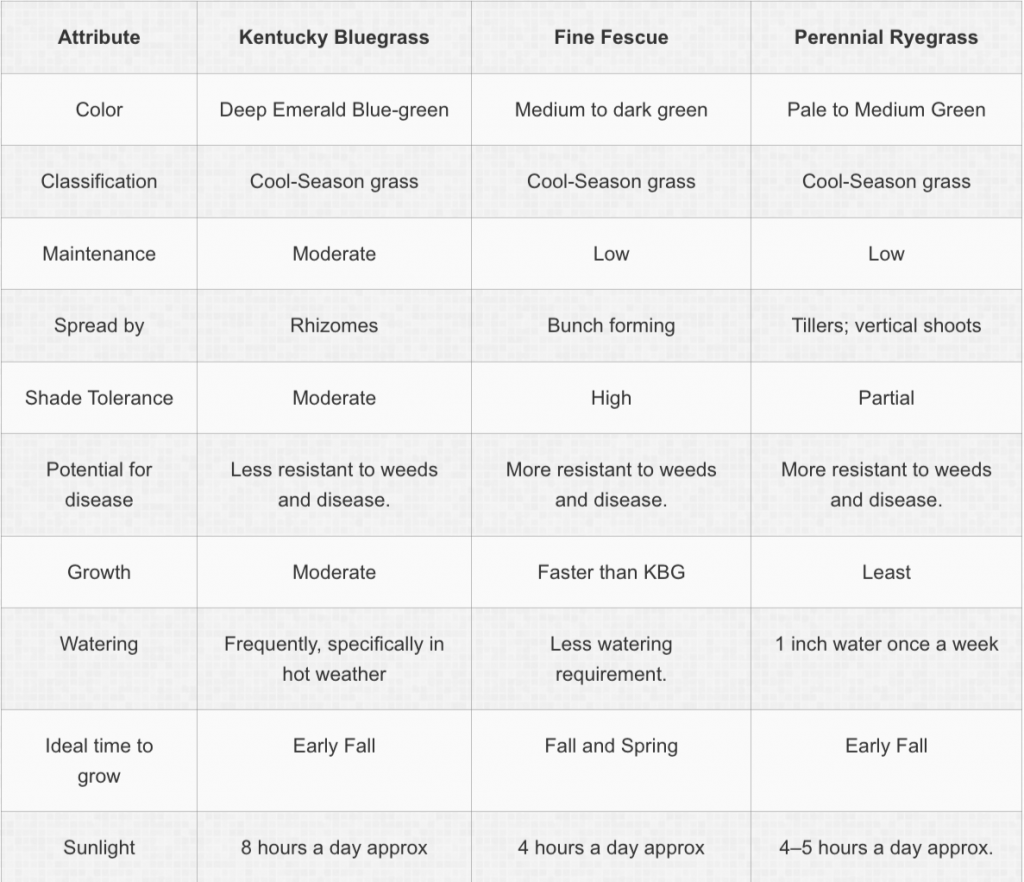
| Attribute | Kentucky Bluegrass | Fine Fescue | Perennial Ryegrass |
|---|---|---|---|
| Color | Deep Emerald Blue-green | Medium to dark green | Pale to Medium Green |
| Classification | Cool-Season grass | Cool-Season grass | Cool-Season grass |
| Maintenance | Moderate | Low | Low |
| Spread by | Rhizomes | Bunch forming | Tillers; vertical shoots |
| Shade Tolerance | Moderate | High | Partial |
| Potential for disease | Less resistant to weeds and disease. | More resistant to weeds and disease. | More resistant to weeds and disease. |
| Growth | Moderate | Faster than KBG | Least |
| Watering | Frequently, specifically in hot weather | Less watering requirement. | 1 inch water once a week |
| Ideal time to grow | Early Fall | Fall and Spring | Early Fall |
| Sunlight | 8 hours a day approx | 4 hours a day approx | 4–5 hours a day approx. |
Ultimately, the best type of sod for Michigan will depend on your individual needs and preferences. It’s important to consult with a local turf expert to determine which sod type will thrive in your specific area and climate.
If you want to install sod in Southeast Michigan, it’s important to prepare your soil properly to ensure successful growth. Here are some steps you can take to fix your soil for sod installation:
1. Test your soil: Before you install sod, it’s important to test your soil to determine its pH level, nutrient content, and texture. You can get a soil test kit from your local garden center or university extension office. Once you know the soil composition, you can make the necessary amendments.
2. Amend the soil: Based on the soil test results, you may need to amend your soil by adding organic matter or nutrients. Adding compost or aged manure can help improve soil structure and fertility. You may also need to add lime to adjust the pH level of your soil.
3. Level the soil: It’s important to ensure that your soil is level before installing sod. Use a rake or roller to smooth out any bumps or depressions in the soil.
4. Prepare the soil: Sod needs good soil contact to establish roots, so it’s important to prepare the soil properly. Use a rototiller to loosen the top 4-6 inches of soil and remove any rocks or debris. Then, use a rake to smooth out the soil and create a level surface.
5. Install the sod: Once your soil is prepared, it’s time to install the sod. Lay the sod in a brick-like pattern, making sure the edges are tightly butted together. Then, use a roller to press the sod firmly into the soil.
6. Water the sod: After installation, it’s important to water the sod thoroughly to ensure that the roots establish. Water the sod deeply and frequently for the first two weeks, then gradually reduce the frequency as the sod becomes established.
By following these steps, you can fix your soil for sod installation and create a healthy, beautiful lawn in Southeast Michigan or you can directly consult with Professional Landscapers in Michigan. Schedule a meeting and get free estimate from Grow Earth.
Growing grass in a shaded area can be a bit challenging, but it is still possible to achieve a lush green lawn. Here are some tips for growing grass in a shaded area:
If you are looking for shade-tolerant grass seed to grow in areas with limited sunlight, here are some options to consider:
As a dog owner, you may have experienced how your beloved pet can affect the appearance of your lawn. From digging holes to leaving yellow spots, dogs can pose challenges to maintaining a pristine yard. let’s discuss the impact of dogs on your lawn
On the positive side, dogs can also have some beneficial effects on grass, such as Fertilization, As mentioned earlier, dog urine contains nitrogen, which can fertilize the grass and promote growth in small amounts. Additionally, Dogs running and playing on grass can help to aerate the soil and improve drainage.

Got a vision? Let’s bring it to life together!